Go Sustainable –
a Study Trip to Zurich and Lucerne
Successful practical example of a study trip focusing on sustainability
a Study Trip to Zurich and Lucerne
Successful practical example of a study trip focusing on sustainability
Why a Sustainable Study Trip?
How can social, ecological, and economic sustainability be integrated throughout the entire customer journey of the event?
Ecological Dimension
Goal: Reduce the environmental impact of the event. (5 Rs: Rethink / Refuse, Reduce, Reuse, Repair, Recycle)
Example Measures
Social Dimension
Goal: Creating an inclusive, socially responsible event that fosters the exchange among the participants and between guests and locals
Example Measures
Economic Dimension
Goal: Achieving added value for the local economy without depleting resources. Involve as many local companies as possible.
Example Measures
Challenges and Opportunities
Managing Expectations
Clear messages and communication about the vision of the event are important for the understanding and acceptance of choices concerning programming, logistics, catering, etc.
Success Through Strong Partnerships
Involving all partner companies from the outset was essential as it strengthened the identification with the goals of the project. Particularly noteworthy was the openness and interest from social institutions and projects, which played a significant role in the success of the event.
Measuring Food Waste
Measuring food waste proved to be difficult, as waste can already be generated when products are purchased. The dependency on local suppliers and services is high, which requires careful selection.
Transport
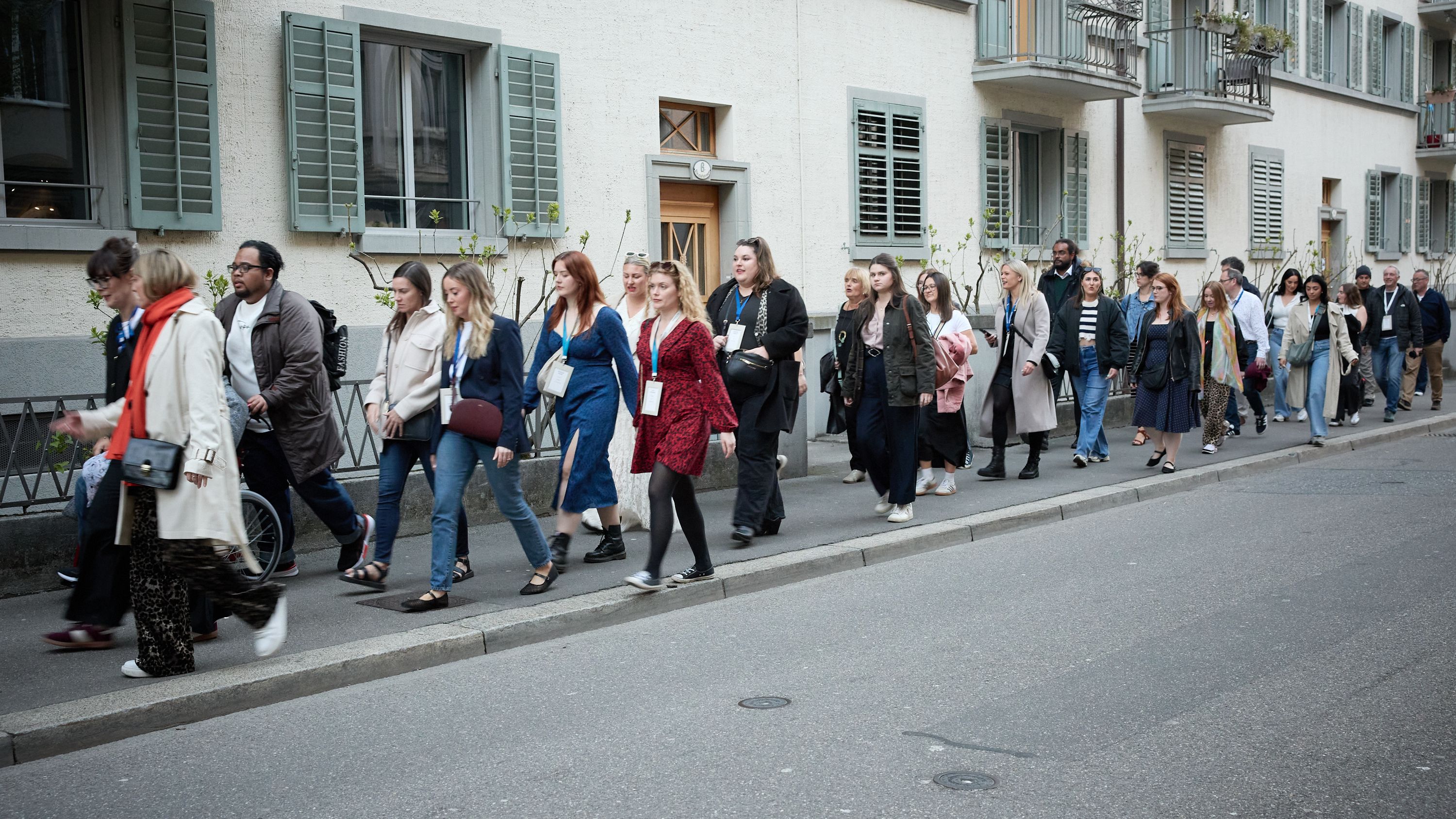
Choosing trains over planes is a major lever for reducing an event’s emissions. Making train travel easy and comfortable for participants, as well as clearly communicating the event’s vision, is key to its acceptance. Using public transport during the event works well for groups, and the 'shared adventure' can enhance the communal experience.
Theme Drives Engagement and Networking
Selecting a sustainability-focused theme for the study trip positively influenced participant choice. By tailoring the venues, program, and lectures around this theme, the event attracted a targeted audience with shared interests. This, in turn, enhanced networking opportunities and overall satisfaction with the event.
Download Case Study
Study trip “Go Sustainable": Successful practical example with sustainability in focus
Impressions
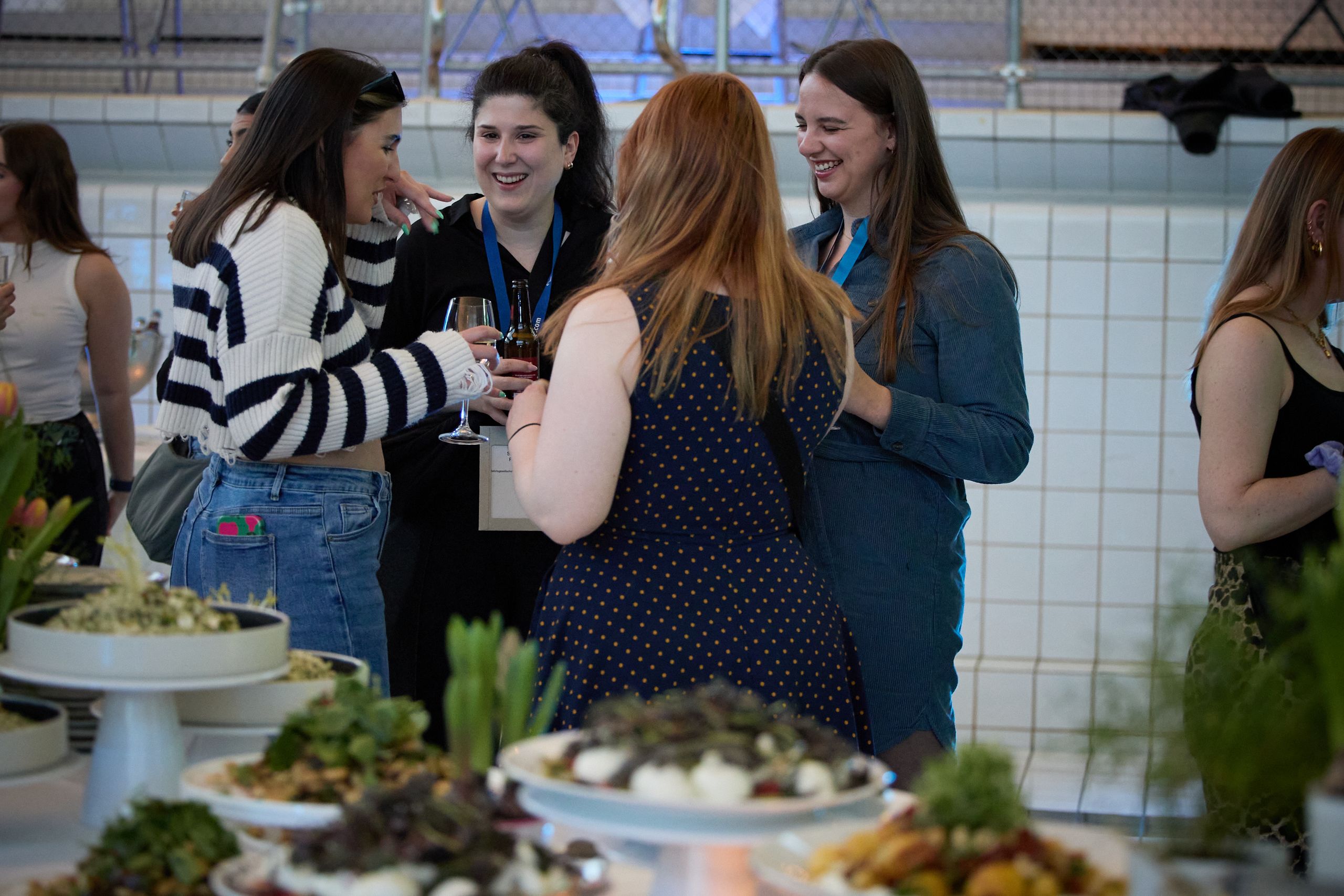
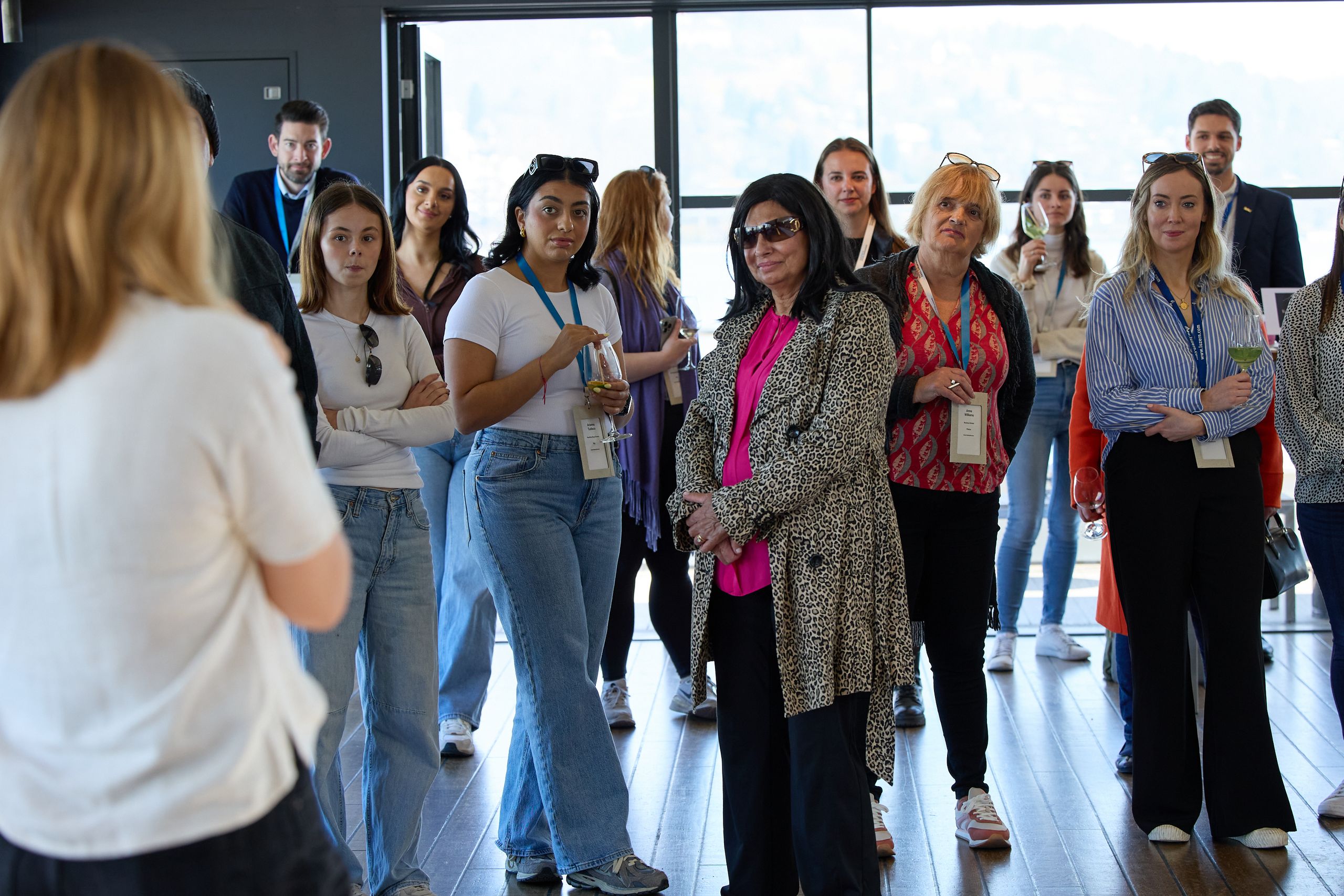
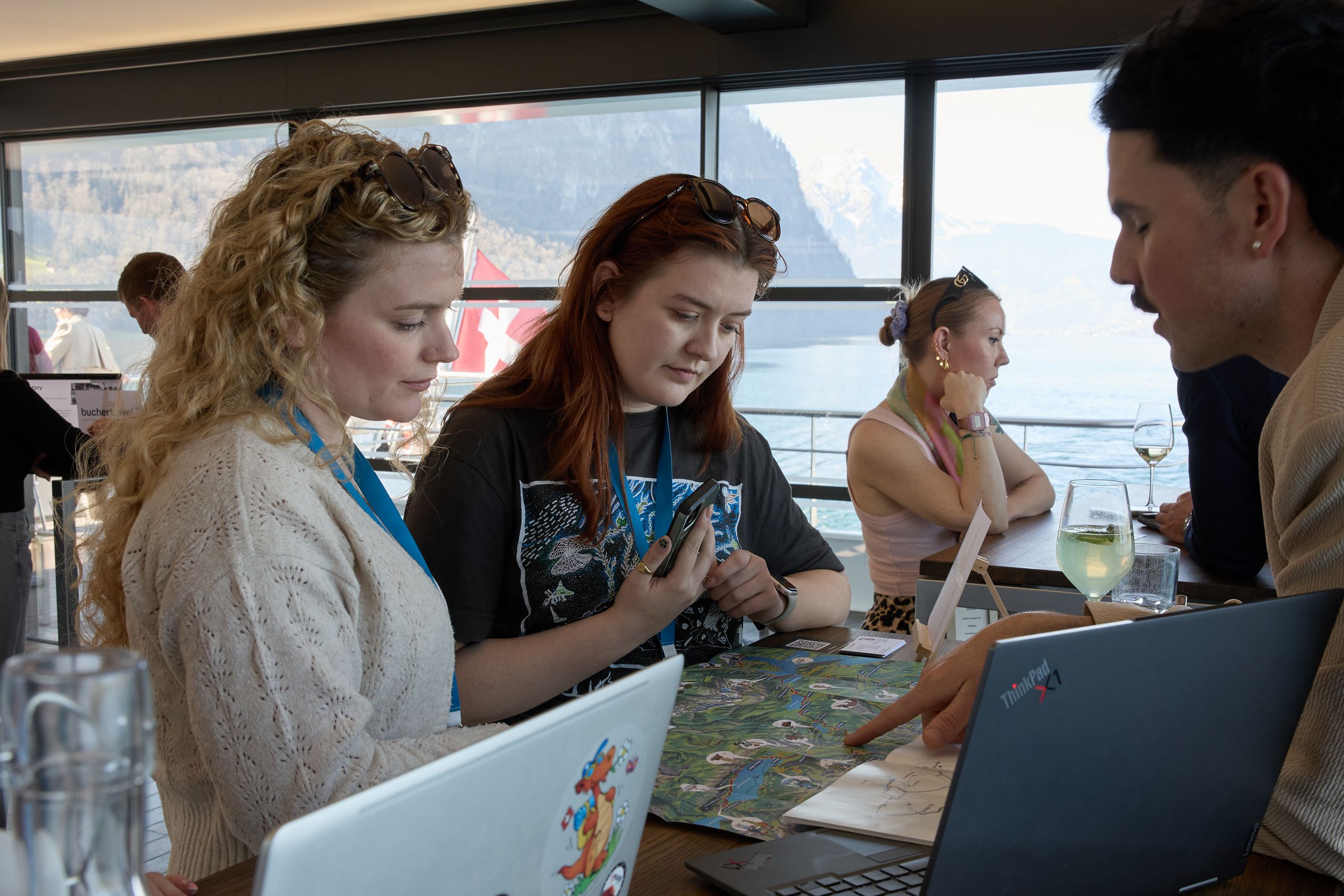
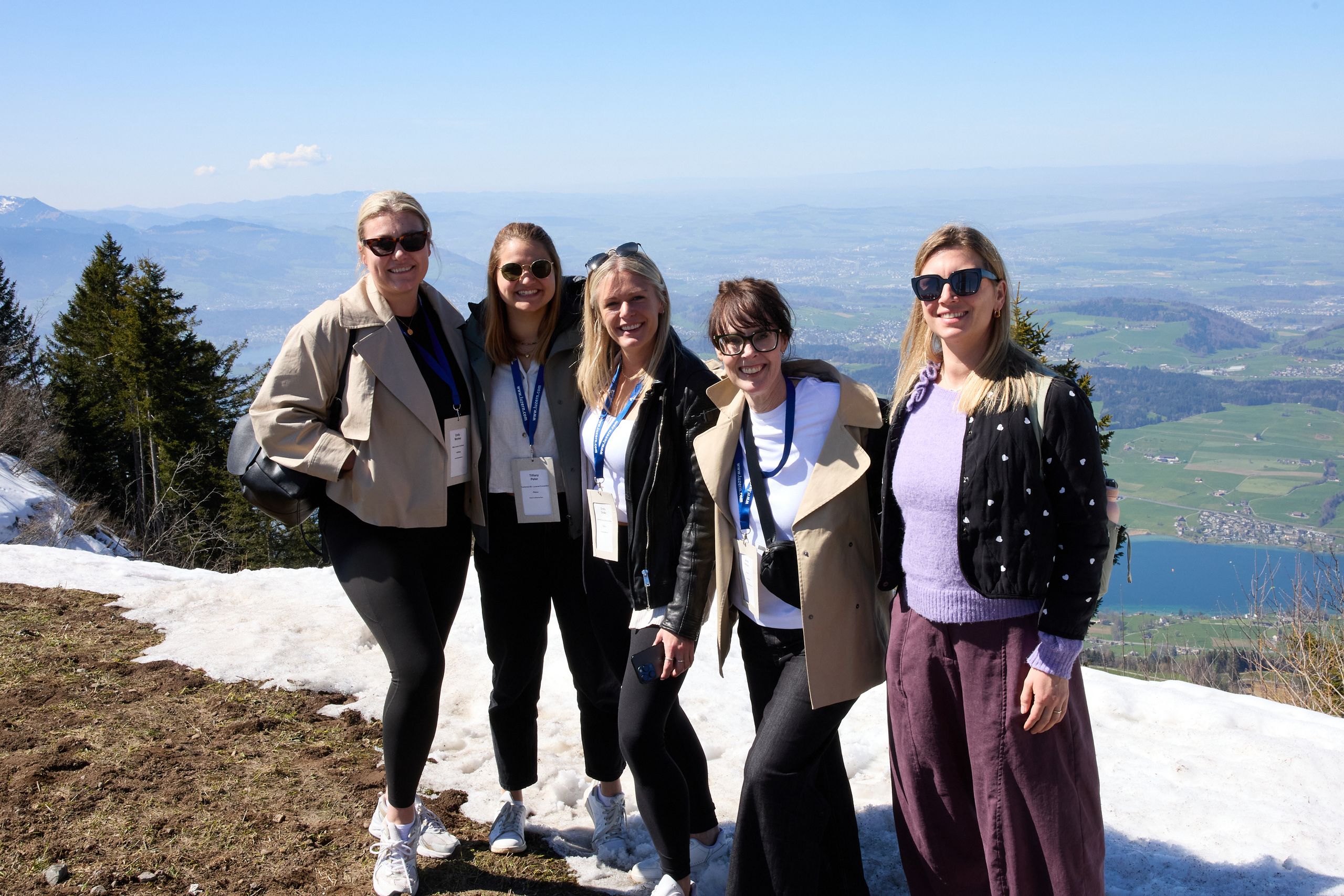
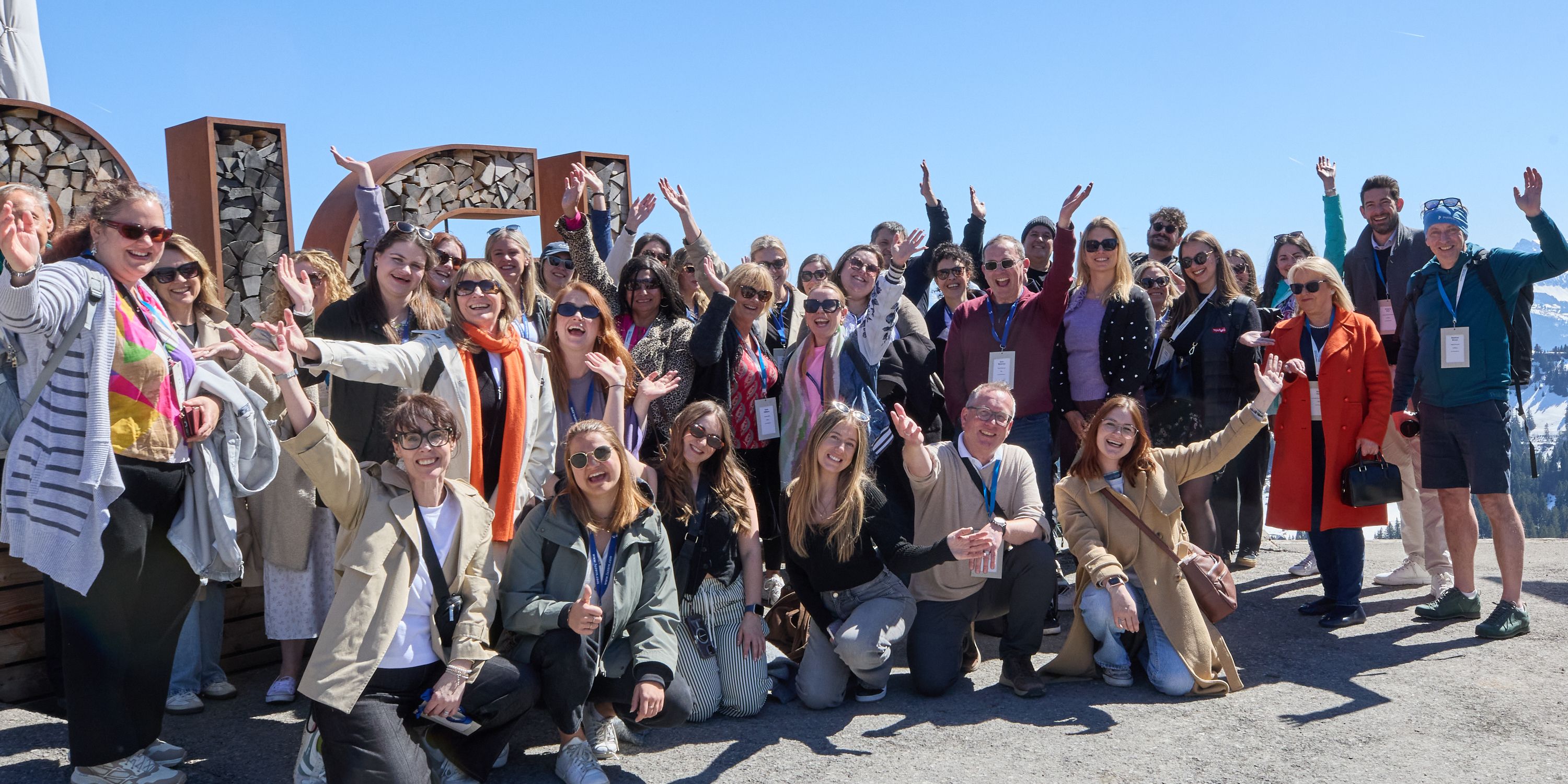
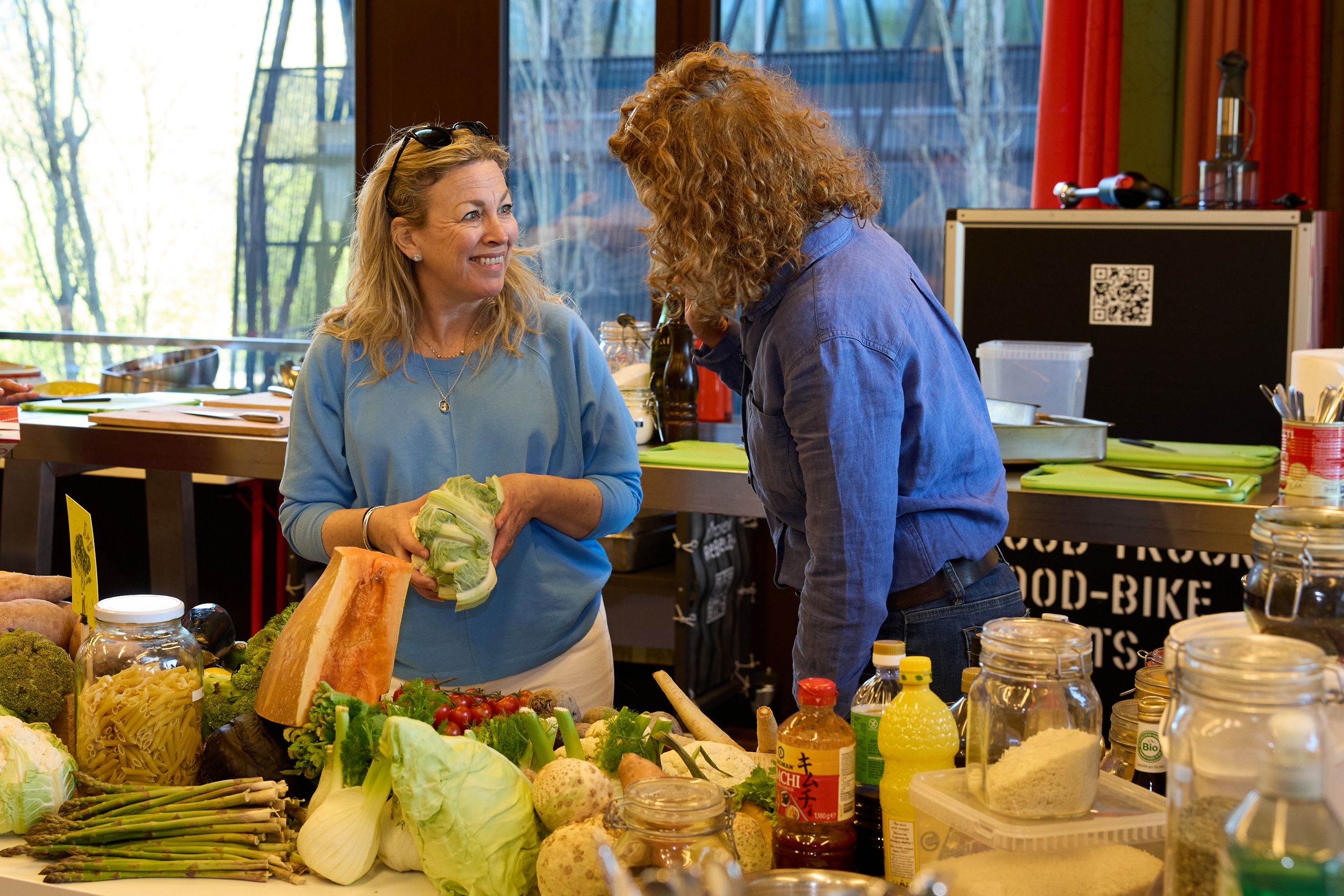
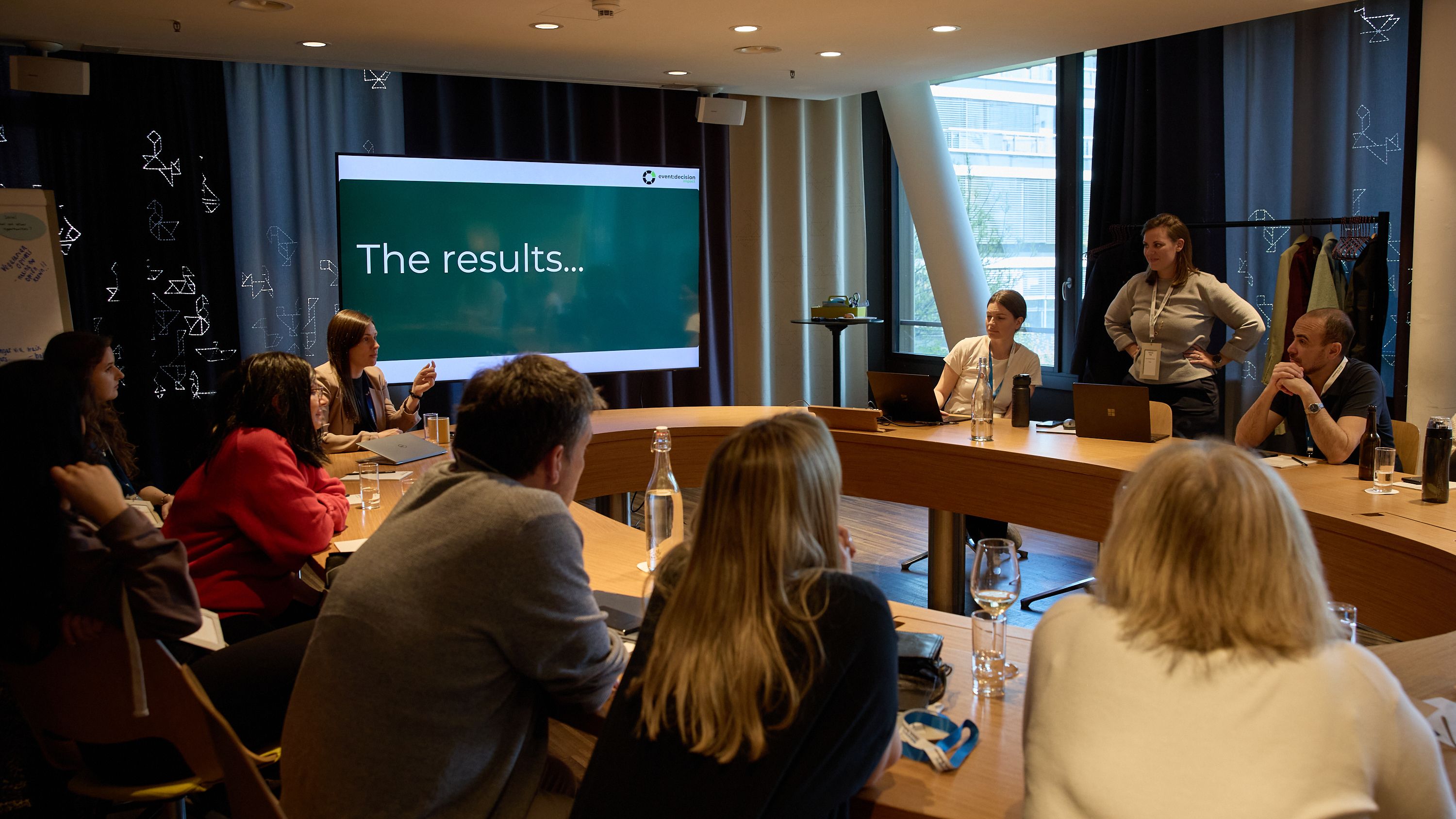
Insights from the «Go Sustainable» Study Trip in Spring 2025.